How to Tour a Home in the South Bay: What to Look At Besides the Kitchen
Home Buying

Home Buying
When touring a home, it's easy to focus on the kitchen, bathrooms, and finishes. Those features matter, but they don't always tell you how well a property will fit your daily life.
We encourage buyers to look beyond the cosmetic details and consider the neighborhood, lot, natural light, floor plan, and overall condition of the property.
A showing isn't a substitute for professional inspections or a review of property disclosures. It's an opportunity to identify what you like, notice potential concerns, and decide which questions deserve further investigation.
Here's how we approach home tours with our buyers throughout Silicon Valley and the South Bay.
Before entering the home, spend a few minutes looking around.
Consider the amount of traffic, available street parking, neighboring properties, and proximity to major roads or commercial areas.
In established neighborhoods such as Willow Glen, Cambrian Park, and Almaden Valley, conditions can vary considerably from one block to another.
Pay attention to:
If you're seriously interested in a home, we often recommend returning at another time of day to get a more complete picture of the neighborhood.
The land surrounding a home can be just as important as the house itself.
Look at how the property sits on the lot, whether the outdoor spaces are usable, and how water might drain during heavy rain.
Some things worth observing include:
These observations don't establish whether a problem exists. They help identify areas that may warrant further investigation by qualified professionals.
In Silicon Valley, where outdoor space can be especially valuable, we also encourage buyers to consider how they would actually use the yard.
An updated kitchen can make a strong first impression. But we want buyers to evaluate features that are more difficult or expensive to change.
1. Natural light
Notice window placement, orientation, and the amount of daylight in each room. Consider whether neighboring buildings or mature trees affect the light.
2. Floor plan and room sizes
Think about how your furniture would fit and whether the layout supports your daily routines. Pay attention to bedroom locations, bathroom access, and connections between living spaces.
3. Storage
Check closets, cabinets, pantry space, garage storage, and other areas where everyday belongings will go.
4. Sounds and odors
Listen for traffic, nearby activity, or unusual mechanical sounds. Notice persistent odors or signs of moisture.
5. Doors, windows, and floors
Observe whether doors and windows operate normally and whether floors feel uneven or unusually soft. These are observations to discuss with inspectors, not conclusions about structural condition.
6. Signs of past water intrusion
Look for visible staining, discoloration, or evidence of previous repairs around ceilings, windows, and plumbing fixtures.
A home's appearance doesn't necessarily reveal the condition of its systems or structure. That's why disclosures, available records, and appropriate inspections remain important.
Many South Bay homes have been expanded or modified over the years.
An additional bedroom, converted garage, enclosed patio, or remodeled living area may provide useful space, but buyers should understand what was done and whether the work was permitted.
We help buyers review available permit records, property information, and seller disclosures. When questions arise, we recommend further investigation with the appropriate building department or qualified professionals.
A beautifully finished addition isn't necessarily a permitted addition.
You don't need to evaluate a roof, foundation, or electrical system during a showing. However, you should know which questions to ask.
We typically want to understand:
The answers may come from disclosures, inspections, permit records, or follow-up questions to the seller.
We help buyers organize this information so they can distinguish between cosmetic preferences, maintenance considerations, and issues that could materially affect a purchase decision.
For buyers comparing different property types, our guide to new construction versus resale homes explores additional considerations.
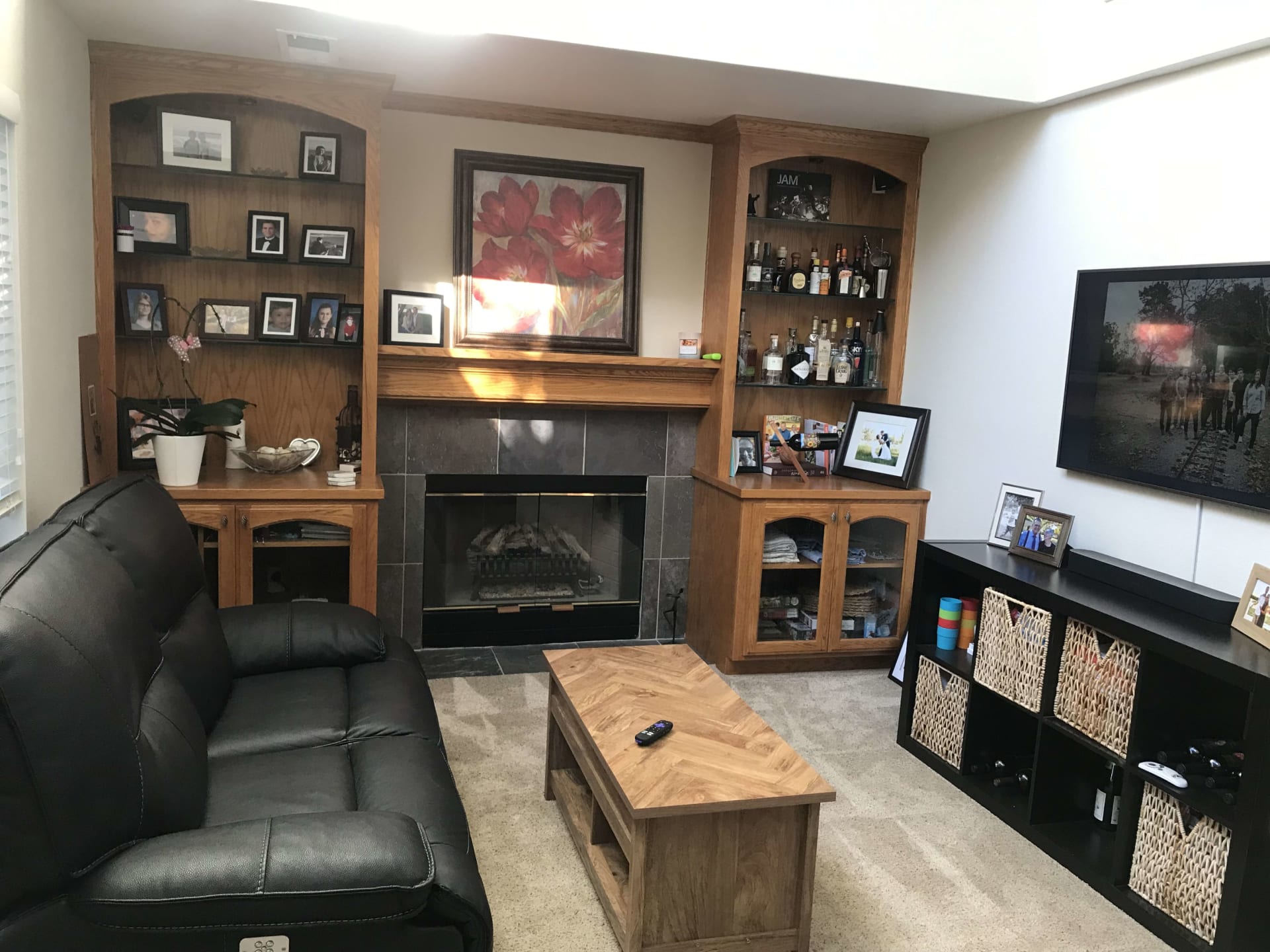
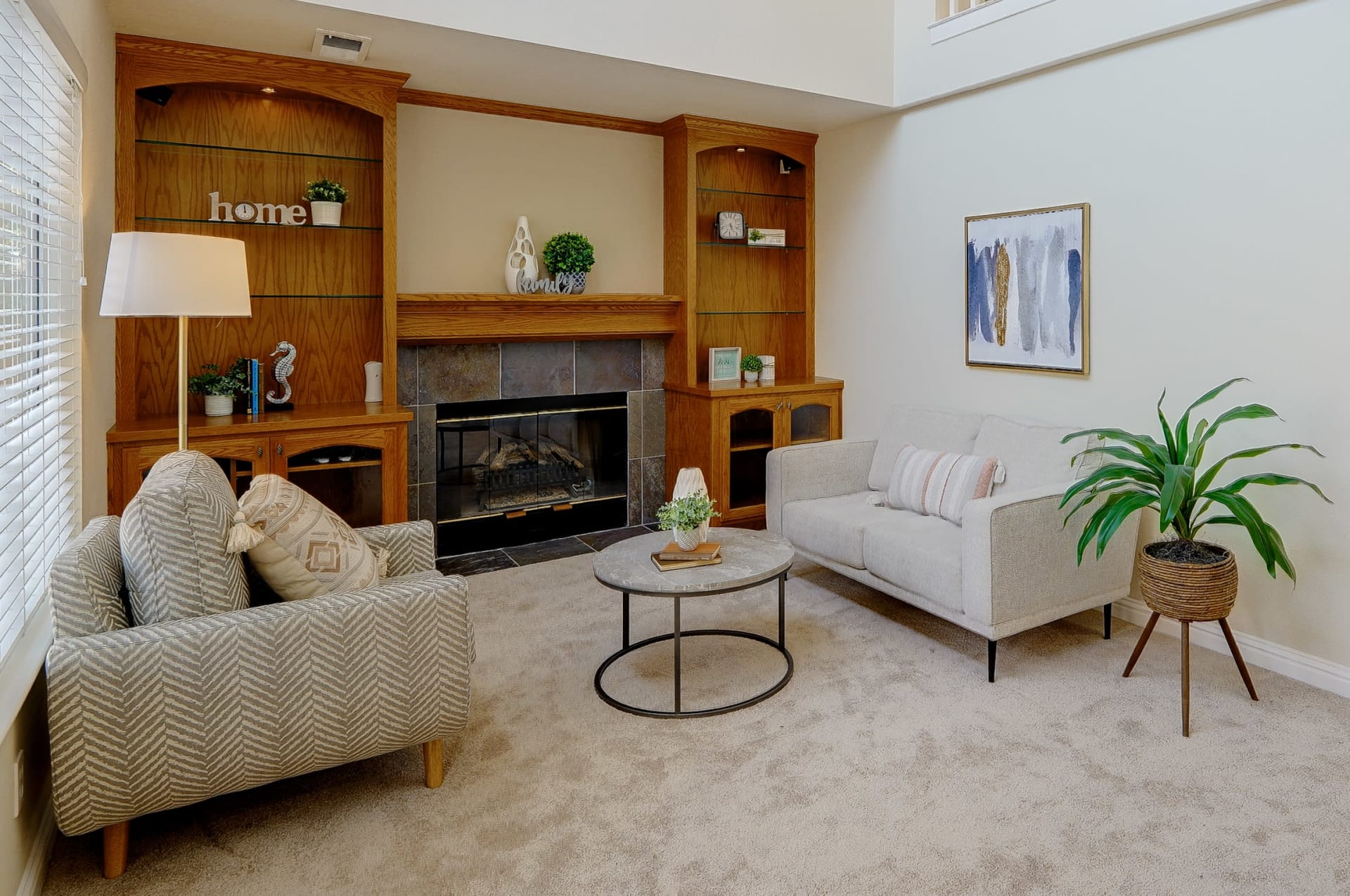
Professional staging helps buyers understand how rooms might be furnished, but it can also influence perceptions of size and functionality.
Try to picture the home without the staging.
Would your furniture fit comfortably? Is there enough room for a home office? Does the dining area accommodate the way you entertain? Will the garage still fit your vehicles once your belongings are stored there?
We encourage buyers to evaluate the property against their own priorities rather than how attractively it has been presented.
Our article on balancing wants and needs when buying a home offers a useful starting point.
After touring multiple properties, details can start to blur together.
We recommend keeping a simple record of each home:
Photos and short videos, when permitted, can also help you remember details.
We review these observations with our buyers and discuss how each property compares with their needs, budget, and other available options.
The goal isn't to find a house without compromises. It's to understand which compromises you're comfortable making.
How long should I spend touring a home?
Allow enough time to examine the interior, exterior, and surrounding property without rushing. If the home remains a serious contender, a second visit can be worthwhile.
Should I attend an open house or schedule a private showing?
Both can be useful. Open houses are convenient for initial visits, while private showings may provide more time to evaluate the property and ask questions.
Can I take photos or videos during a showing?
Ask permission first. Photography and video restrictions may vary by property and seller.
Should I review disclosures before making an offer?
When disclosures and inspection reports are available, we recommend reviewing them before making an offer whenever practical. They may reveal important information that isn't apparent during a showing.
Does touring a home replace professional inspections?
No. A showing is an initial evaluation. Professional inspections, disclosures, and additional due diligence help buyers better understand a property's condition and potential risks.
A productive home tour should help you answer more than whether you like the finishes.
It should help you understand how the property fits your lifestyle, what questions remain unanswered, and whether it's worth taking the next step.
When we tour homes with our buyers, we look beyond the presentation and help them evaluate the practical considerations that can affect their ownership experience.
If you're planning to buy a home in Silicon Valley or the South Bay, we'd be happy to help you evaluate your options.
Call or text us at 408-647-7211, or contact us through our website.
Posted by Dale Warfel and Helen Gardin, The Warfel Gardin Group at Pulse Real Estate
About Pulse Real Estate: We're Dale Warfel and Helen Gardin, co-founders of Pulse Real Estate and the Warfel Gardin Group. We provide personalized real estate guidance throughout Silicon Valley and the South Bay, working directly with our clients from the first conversation through closing.
DRE #02014153 | 1900 Camden Ave. #101, San Jose, CA 95124
408-647-7211 | mypulserealestate.com
Stay up to date on the latest real estate trends.
Home Buying

Home Selling
Practical guidance for making decisions, preparing your home, and navigating the sale.

Home Selling
Understanding title reports, escrow, and the protections that matter when buying or selling a home.

Home Buying
Compare costs, neighborhoods, timelines, and important considerations before buying your next South Bay home.
You’ve got questions and we can’t wait to answer them.