When a Parent Needs More Care: Selling the Family Home in Silicon Valley

Helping families navigate care transitions, prepare the family home, and make thoughtful financial decisions.
There's a moment many families recognize. A parent can no longer safely or comfortably remain in their home, and someone finally asks the question: "What do we do about the house?"
For some families, the next step is assisted living. For others, it's memory care or moving in with an adult child or another relative. Each situation brings different considerations, but the question of what to do with the family home is often the same.
The home may hold decades of memories. It may also represent one of your parent's most valuable financial assets, with equity that could help support their next chapter of care.
The goal is to make thoughtful decisions that respect your parent's wishes, support their changing needs, and protect their financial interests.
If you're helping a parent transition out of a longtime Silicon Valley home, this guide walks through the questions families commonly face and how to approach them.
One note up front: Legal, tax, financial, and care-planning questions belong with the appropriate professionals, including elder-law attorneys, financial advisors, and CPAs. We help families navigate the real estate decisions and coordinate the selling process.
Start with your parent's care needs, wishes, and financial circumstances before making decisions about the house.
The first priority is understanding what living arrangement will best support your parent's needs.
That might mean:
Each option can affect the family's finances, timeline, and decisions about the property.
If your parent is able to participate, ask what they would like to happen to their home. Would they prefer to keep it in the family? Sell it to help fund their care? Or are they uncertain about what comes next?
These conversations aren't always easy, particularly when a parent has lived in the same home for decades.
It's also important to establish how family members will participate in decisions. In many Silicon Valley families, one adult child manages most of the responsibilities while siblings live elsewhere.
Agreeing on a primary contact and a process for keeping everyone informed can help avoid misunderstandings and delays later.
How We Help: We begin with a conversation, not a listing agreement. We listen to your family's circumstances, discuss the home's potential market value, and help you understand what selling might involve. Sometimes moving forward makes sense. Other times, waiting may be the better decision.
The answer depends on how the property is titled, your parent's circumstances, and the legal documents in place.
Moving into assisted living, memory care, or a family member's home doesn't automatically transfer the authority to make decisions about the property.
Before making plans to sell, it's important to establish who has the legal authority to act and sign documents.
An elder-law or estate-planning attorney can help review:
A parent who moves into memory care does not necessarily lose the legal ability to participate in decisions. Capacity and authority must be evaluated based on the individual's circumstances and applicable law.
Resolving these questions early can prevent complications when it's time to sign listing agreements, disclosures, and escrow documents.
How We Help: Once the appropriate legal professionals establish who can act on behalf of the owner, we coordinate the real estate transaction with the authorized parties, title company, and escrow.
If the home has already passed to heirs, our Successor Trustee Roadmap explains additional considerations.
A little organization early in the process can save considerable time and frustration later.
For a home owned for 20, 30, or even 50 years, gathering records and sorting belongings may take longer than expected.
Start by collecting important documents, including:
It's also helpful to begin identifying belongings that family members want to keep, donate, sell, or discard.
If your parent is moving into assisted living or memory care, the new residence may have limited space for personal belongings. If they're moving in with family, some furnishings and possessions may be needed in the new household.
In either situation, deciding what to keep can take time and may involve several family members.
Don't feel pressured to clear everything immediately. Families often benefit from developing a plan before beginning the work.
Property taxes and potential capital gains taxes also deserve attention. California's Proposition 19 and federal tax rules can affect different aspects of a family's financial decisions.
Our guide to Prop 19 and Your Property Tax Base provides additional background.
How We Help: We help families identify what needs attention before a sale and what can reasonably wait. Our goal is to make the process manageable, particularly when family members are coordinating from different locations.
This is one of the most important financial decisions families face when selling a longtime home.
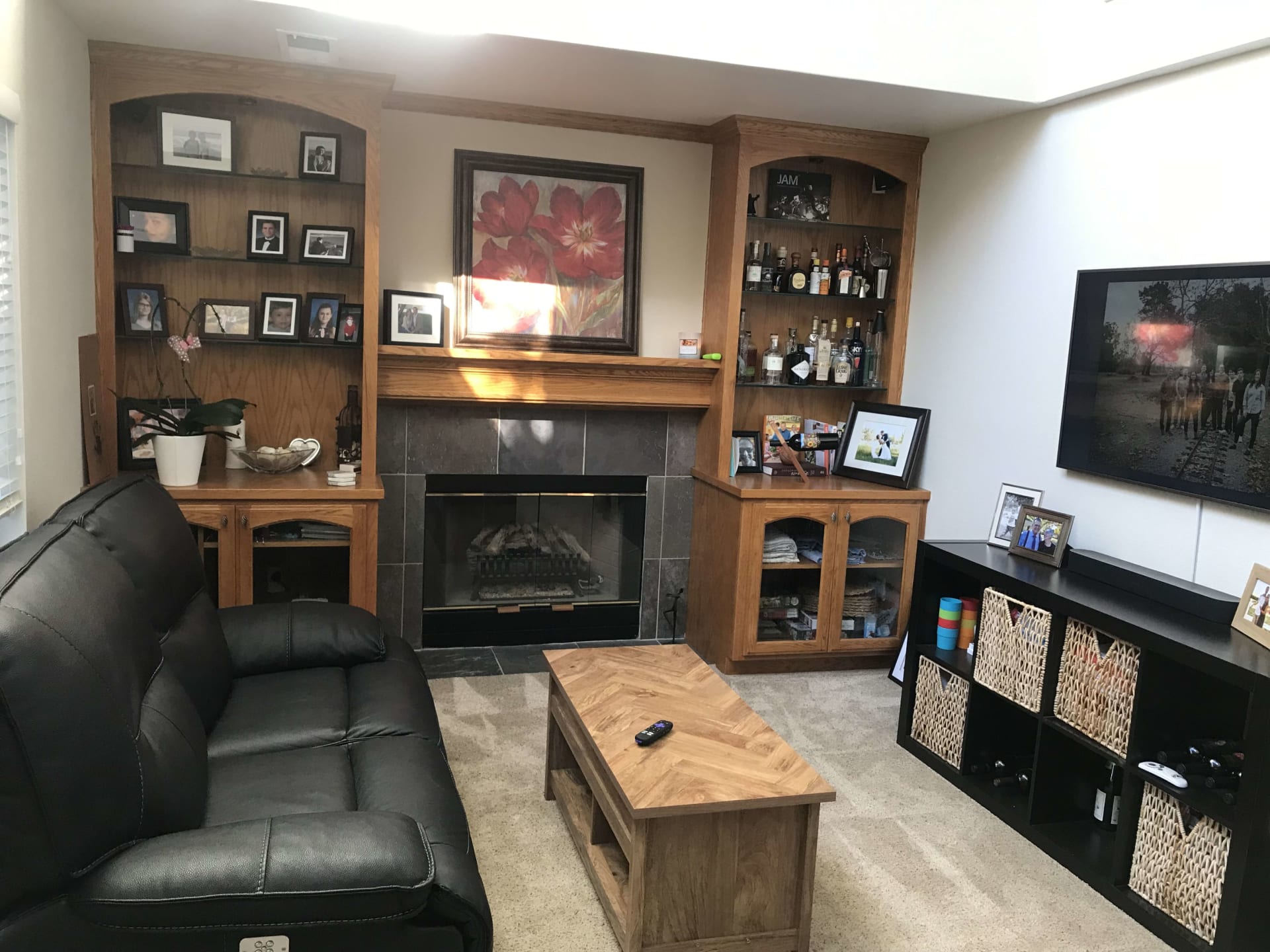
A property that has been lovingly maintained for decades may still have dated finishes, deferred maintenance, or improvements that no longer appeal to today's buyers.
Some families assume they need to renovate extensively before selling. Others prefer to sell everything as-is to avoid the expense and inconvenience.
Neither approach is automatically the right one.
The better question is: Which improvements, if any, are likely to produce a worthwhile return after considering their cost, timing, and the home's market value?
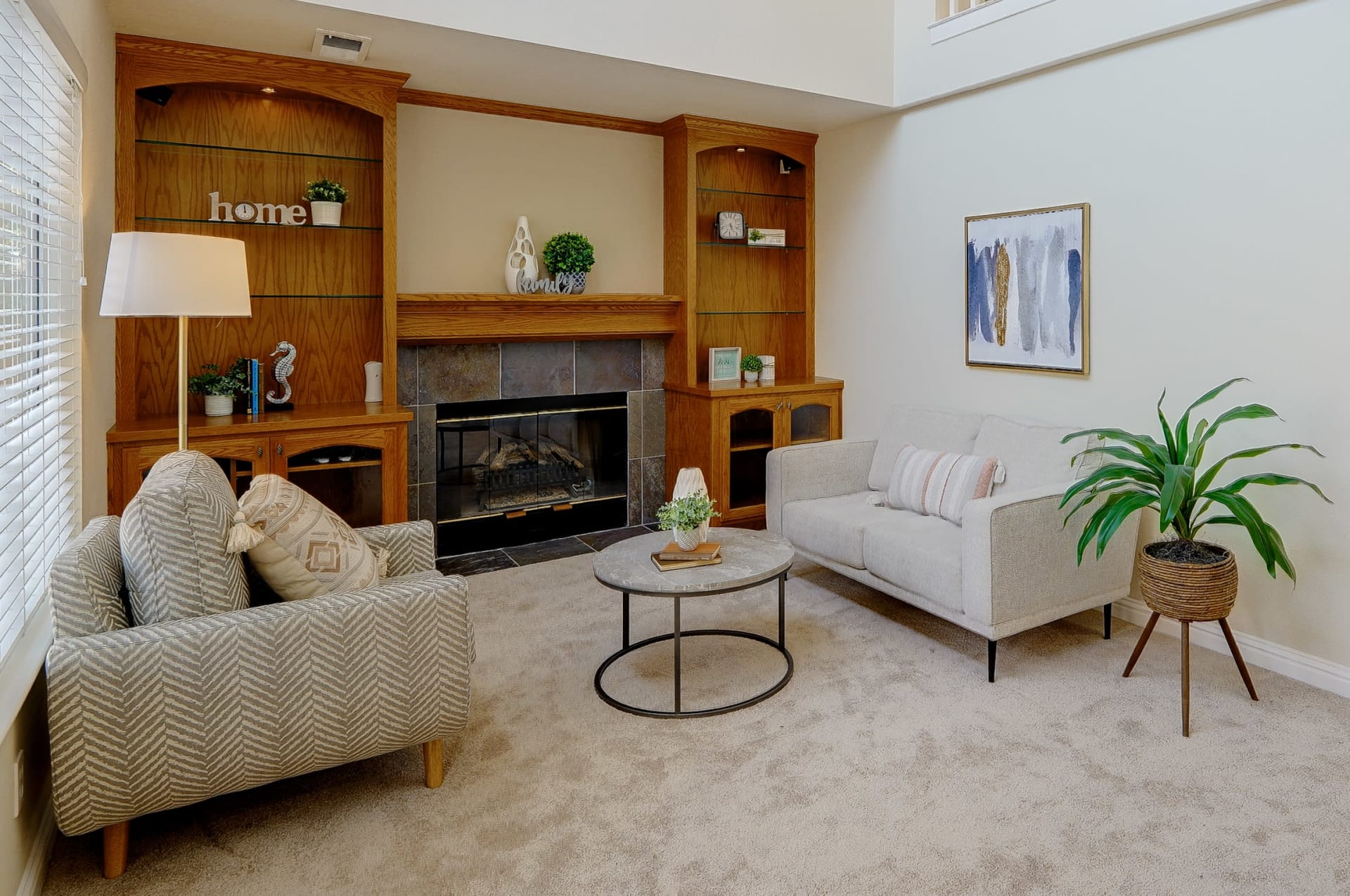
Depending on the property, preparation might involve:
Major remodeling isn't always necessary. Sometimes modest, carefully chosen improvements can make a meaningful difference in buyer interest and the final sale price.
Other times, selling as-is may be the most practical and financially sensible approach.
How We Help: Through Pulse Prepare — Smart preparation, personally managed, we help families evaluate preparation options, coordinate trusted service providers, and manage agreed-upon improvements.
We discuss potential costs and benefits before recommending expenditures. The family makes the decisions; we help manage the work.
Our objective is to help achieve a strong financial outcome while respecting the family's time, resources, and circumstances.
The best choice depends on your parent's care needs, financial resources, and the family's long-term plans.
For some families, selling provides funds needed for assisted living, memory care, or other ongoing care expenses.
For others, particularly when a parent is moving in with relatives, there may be more flexibility about when or whether to sell.
Before deciding, consider several questions:
A vacant home can continue to generate substantial expenses, particularly in Silicon Valley. Insurance coverage, security, and maintenance may also require additional attention.
Renting may provide income, but it introduces tenant responsibilities and potentially important tax considerations.
And while waiting can preserve future options, it also means continuing to carry the property and accepting uncertainty about future market conditions.
How We Help: We can prepare an estimate of the home's current market value, discuss different selling approaches, and develop a projected net proceeds analysis.
This gives your family useful information to review with financial and tax advisors before deciding whether to sell, rent, or retain the property.
For more information, see our Guide to the Costs of Selling a Home in San Jose.
Ideally, the home sale should support your parent's transition rather than add unnecessary pressure to it.
Moving into assisted living, memory care, or a family member's home can be emotionally and physically demanding.
When circumstances allow, many families prefer to complete the move before preparing the property for sale. This creates more flexibility for repairs, cleanout, photography, and showings.
However, each transition presents different considerations.
For a parent entering assisted living, the timing may depend on availability at the community and how care expenses will be funded.
For someone moving into memory care, health and safety needs may require a faster transition, leaving family members to manage the property afterward.
When a parent moves in with relatives, the family may have greater flexibility, although financial and caregiving responsibilities still need to be considered.
The selling process may include:
Each family's timeline will be different.
How We Help: We develop a selling plan around your family's circumstances, coordinate the preparation and marketing process, and keep everyone informed along the way.
You work directly with both of us, from the initial conversation through closing, without being handed off to an assistant or another agent.
If your parent is moving to a smaller home rather than into a care arrangement, our Downsizing in Silicon Valley Guide may also be helpful.
For many families, the home represents decades of accumulated equity. Making the most of that asset can be important, especially when proceeds will help support years of care.
Achieving a strong financial outcome involves more than choosing an asking price.
It requires understanding the property's condition, identifying worthwhile preparation, evaluating comparable sales, and developing a marketing strategy designed to reach qualified buyers.
The offer with the highest price isn't always the one that produces the best overall result. Financing strength, contingencies, closing timelines, and the likelihood of completing the transaction also matter.
A well-managed sale considers both the price and the terms.
How We Help: We combine local market knowledge, strategic preparation, professional marketing, and experienced negotiation to help families maximize their property's market potential.
We also explain the trade-offs along the way, so decisions are based on a clear understanding of the available options.
Our goal is to deliver an exceptional financial result while making the experience as straightforward and manageable as possible.
Can I sell my parent's home if they're moving to assisted living or memory care?
Possibly, but moving into a care community doesn't automatically give an adult child authority to sell the property. Ownership, legal capacity, and applicable documents determine who can act. An elder-law or estate-planning attorney should confirm the appropriate process.
What if my parent is moving in with me instead of assisted living?
The same basic real estate considerations apply. Your family should evaluate whether selling, renting, or retaining the property makes the most sense based on care needs, finances, and long-term plans. We can help you understand the home's market value and potential sale proceeds.
Does a power of attorney allow me to sell my parent's home?
Not necessarily. The document must provide appropriate authority, and additional legal and title requirements may apply. Have an attorney review it before making plans to list the property.
How long does it take to sell a parent's home in San Jose?
The timeline depends on the home's condition, the amount of preparation required, legal documentation, and current market conditions. For longtime owners, sorting belongings and preparing the property may take longer than the actual marketing period. We can develop a realistic timeline after evaluating the home.
Should we sell the home as-is or make repairs?
That depends on the property, the expected cost of improvements, and how buyers are likely to respond. We help families compare the options before committing money to preparation.
Should we sell before or after the move?
When possible, completing the care transition first can reduce disruption. However, some families need sale proceeds to fund care. The best approach depends on the financial and care plan.
What if my siblings live out of state?
This is common in Silicon Valley. We can coordinate communication with family members in different locations, provide updates, and help manage the preparation and selling process locally. Legal authority and decision-making responsibilities should be established in advance.
Will selling my parent's home create capital gains taxes?
It may. The outcome depends on factors such as ownership, tax basis, use of the home, and eligibility for available exclusions. A CPA or qualified tax advisor should evaluate the family's specific circumstances before the sale.
Helping a parent leave a longtime home is rarely just a real estate decision. It involves family relationships, financial planning, memories, and the practical realities of preparing a property for its next owner.
Whether your parent is moving into assisted living, transitioning to memory care, or joining another family member's household, you don't need to have everything figured out before starting the conversation.
We help Silicon Valley families understand their options, prepare their properties thoughtfully, and navigate the selling process with personal attention and experienced guidance.
Whether you're ready to sell or simply trying to understand what comes next, we're here to help.
This article provides general real estate information and is not intended as legal, tax, financial, or elder-care advice. Families should consult qualified professionals regarding their individual circumstances.
Posted by Dale Warfel and Helen Gardin, The Warfel Gardin Group at Pulse Real Estate
About Pulse Real Estate
We're Dale Warfel and Helen Gardin, co-founders of the Warfel Gardin Group at Pulse Real Estate, serving buyers and sellers throughout Silicon Valley and the South Bay.
We believe great real estate service starts with personal attention. That's why our clients work directly with both of us, from the first conversation through closing. We combine our local market knowledge, experienced guidance, and hands-on approach with a trusted network of professionals, including lenders, estate-planning attorneys, contractors, inspectors, stagers, and escrow specialists.
Our goal is simple: to help you make confident decisions, navigate the process smoothly, and achieve an exceptional result.
Thoughtful Guidance. Smart Decisions. Exceptional Results.
1900 Camden Ave., Suite 101, San Jose, CA 95124
Stay up to date on the latest real estate trends.

Home Selling

Home Buying
A practical guide to navigating family decisions, preparing the home for sale, and protecting your parent's financial interests.

Home Buying
Homes, neighborhoods, BART, Silicon Valley access, foothill recreation, and what buyers should know before choosing Milpitas
You’ve got questions and we can’t wait to answer them.